Exploring Iceland by road takes you through some of the world’s most dramatic and remote landscapes, but it also means being prepared for unexpected situations far from help. A rental car breakdown in these isolated areas can quickly become stressful, especially with changing weather and limited mobile signal. Knowing how to respond in those first moments is essential for your safety and peace of mind.
Whether you are near volcanic fields, black sand coasts, or remote fjords, staying calm and prepared makes all the difference. With Final Rentals offering reliable car hire options and support in Iceland, travellers can feel more confident before setting off across the island. Understanding what a breakdown in Iceland involves is the first step toward handling it properly.

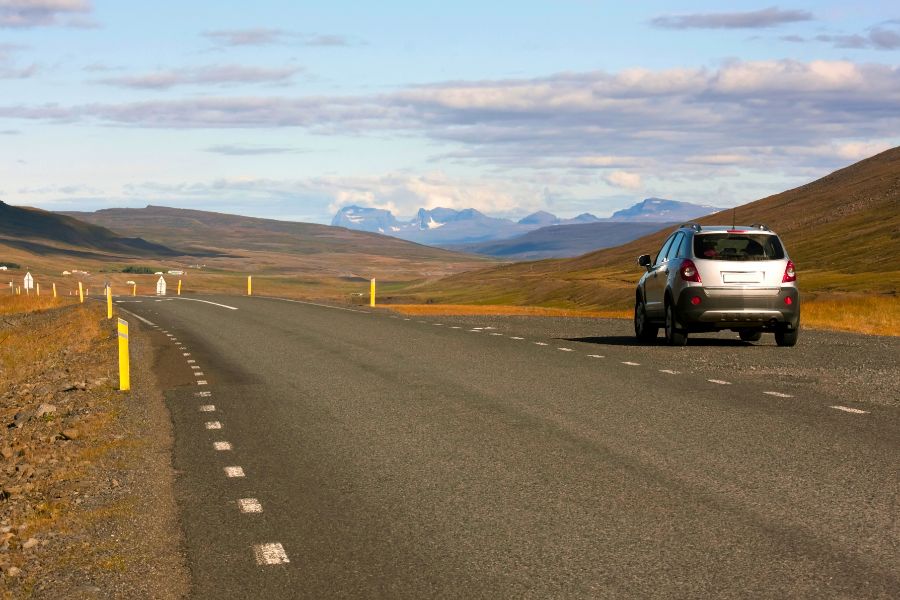
Breakdowns in Iceland differ significantly from those in most other destinations because of the country’s extreme and rapidly changing conditions. Long stretches of road pass through uninhabited terrain, and services such as mechanics, fuel stations, and mobile coverage can be extremely limited or completely unavailable in some regions. This means even a minor vehicle issue can become a serious situation if you are not prepared.
Common causes of breakdowns include flat tyres caused by sharp gravel roads, engine strain due to sub-zero temperatures, battery failure in cold weather, running out of fuel in isolated areas, and external damage caused by sudden strong winds or rough terrain. Unlike urban settings where assistance may arrive within minutes, roadside support in remote Iceland can take significantly longer to reach you, making preparation and calm decision-making essential for safety.
The first reaction to a breakdown is often panic, especially when surrounded by vast open landscapes with no visible help nearby. However, staying calm is crucial because your immediate decisions will directly impact your safety. Once your vehicle stops, take a moment to assess the environment carefully before doing anything else. Check whether you are in a safe position relative to traffic and ensure the vehicle is not in a dangerous spot such as the middle of a road or near unstable ground.
Look around for potential hazards such as loose gravel, water crossings, cliffs, or unstable shoulders. Immediately activate your hazard lights to alert other drivers of your situation. If weather conditions are harsh, such as strong winds, snow, or poor visibility, it is often safer to remain inside the vehicle until conditions stabilise or help becomes available.
If the vehicle is still operational, even partially, it is often safer to move it to a more secure location before fully assessing the problem. This may involve slowly pulling off the main road or an F-road if you are in the highlands, ensuring you avoid stopping in dangerous areas such as blind bends, narrow bridges, or unstable ground.
In Iceland, terrain conditions can change quickly, and even roadside shoulders may be soft or uneven, so choosing a stable and visible location is essential. If you are in the highlands or remote countryside, finding a completely safe stopping point can be challenging, which is why visibility to other drivers and stability of the terrain should always take priority over convenience.
Visibility plays a critical role in ensuring your safety after a breakdown, especially in Iceland, where weather conditions can shift suddenly and drastically reduce visibility. Once stopped, hazard lights should be turned on immediately and kept active throughout the situation. If your rental vehicle includes a warning triangle, place it at a safe distance behind the car to alert approaching vehicles.
It is also advisable to keep reflective clothing or gear inside the vehicle so you can remain visible if you need to step outside. Wearing bright or reflective clothing is particularly important during fog, snow, or dusk conditions when visibility is already reduced. These precautions help reduce the risk of other drivers approaching your stationary vehicle too quickly on narrow rural roads.
Once you are safe, contact your rental provider as soon as possible. Provide your exact GPS location using offline maps if needed, along with your vehicle registration number and a clear description of the issue. This helps the support team assess your situation quickly and dispatch appropriate assistance.
It is also important to share current road and weather conditions, as this allows the team to prepare for access and response time. If you have no mobile signal, carefully move to a higher point or nearby road marker only if it is safe to do so, in order to regain connectivity.
After contact is made, roadside assistance will be activated based on your location and situation. Response times can vary widely in remote Iceland, depending on weather, road access, and distance, ranging from around 30 minutes to several hours. Support may include on-site repairs for minor issues such as flat tyres or battery problems, or towing the vehicle to the nearest service centre if the issue is more serious.
In some cases, a replacement vehicle may also be arranged so you can continue your journey with minimal disruption. During this time, you should remain with your vehicle unless instructed otherwise, as staying put helps ensure your safety and speeds up assistance.
Waiting for assistance in remote Iceland requires patience and careful attention to your surroundings. It is generally best to remain inside the vehicle, especially during harsh weather conditions, as exposure to wind, snow, or rain can quickly become dangerous. The engine should remain off unless it is necessary to run it briefly for heating purposes, and fuel should be conserved whenever possible.
Keeping essential supplies such as water, snacks, and warm blankets in the vehicle can make the waiting period more comfortable and safer. In winter conditions, temperatures can drop rapidly, making warmth a priority. Walking away from the vehicle should only be considered if there is an immediate danger or if instructed by emergency services.

Remote regions of Iceland are known for having limited or no mobile coverage, which can complicate communication during a breakdown. In such cases, offline navigation tools become extremely important, allowing you to identify nearby roads, towns, or landmarks. If safe, you may attempt to signal passing vehicles for assistance using hazard lights or reflective items, but you should avoid stepping into active roadways.
Walking long distances should only be considered if you are certain of your proximity to a safe and known location, as weather and terrain can make navigation extremely risky. Remaining with the vehicle is usually the safest option until help arrives.
Different types of breakdowns require slightly different responses depending on the situation. If you experience a flat tyre on Iceland’s gravel roads, you should stop immediately and avoid continuing to drive, as this can cause further damage to the wheel or vehicle. Instead, contact roadside assistance and wait for professional support. In cases of a dead battery caused by cold weather, repeated attempts to restart the vehicle should be avoided, as this can worsen the issue. Instead, wait for a jump-start service.
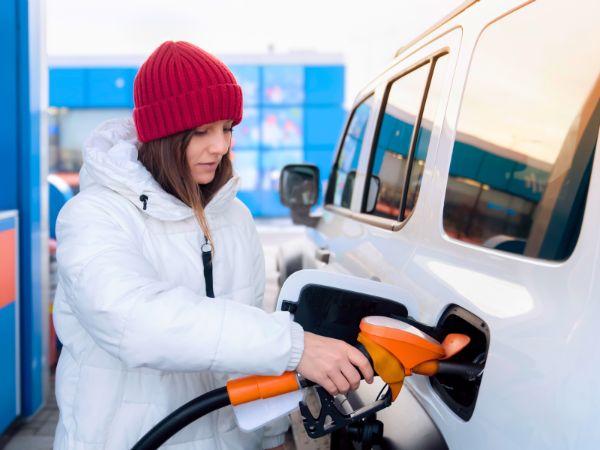
Running out of fuel is another common issue in remote areas, and it is important to monitor fuel levels closely throughout your journey, as fuel stations can be widely spaced apart. If this happens, calling for assistance is the safest option rather than attempting to walk long distances in unfamiliar terrain.
Understanding insurance coverage is an essential part of renting a car in Iceland, as different policies offer varying levels of protection depending on road conditions and driving risks. Taking the time to review your options carefully helps you avoid unexpected costs and ensures you are covered throughout your journey.
Basic Collision Damage Waiver (CDW): reduces your financial responsibility for damage to the rental vehicle in most standard situations. It is usually included in the base rental price but often comes with a high excess.
Gravel protection: highly recommended for Iceland’s unpaved and gravel roads. It helps cover damage caused by loose stones, which is a common risk outside major highways.
Sand and ash protection: essential in volcanic regions where strong winds can carry abrasive particles. This coverage protects the vehicle from costly exterior damage caused by natural elements.
Windscreen coverage: protects against chips or cracks caused by flying debris on open roads. It is particularly useful when driving long distances across exposed terrain.
Preventing breakdowns is always preferable to dealing with them in remote environments. Before starting your journey, it is important to choose a suitable vehicle for Icelandic terrain, with 4x4 options often recommended for highland travel. Checking weather forecasts daily is also essential, as conditions can change rapidly and affect road safety.
Regular refuelling ensures you are never caught without fuel in remote areas, while inspecting tyres and lights before departure can help identify potential issues early. Downloading offline maps and saving emergency contacts also provides additional security. With a reliable provider, you can confidently rent a car in Iceland and explore with greater peace of mind.
Once roadside assistance arrives, they will first assess the condition of your vehicle to determine whether it can be repaired on-site or needs to be transported. In many cases, minor issues are resolved quickly, allowing you to continue your journey with minimal disruption.
If the vehicle requires towing, you may be taken to the nearest town or service centre where further arrangements will be made. Depending on your rental agreement and vehicle availability, a replacement car may also be provided so that your travel plans can continue with minimal interruption.

Booking a vehicle through Final Rentals can help improve your experience in the event of a breakdown. The support systems, insurance partnerships, and established service networks across Iceland are designed to make assistance more reliable and efficient. Whether you are travelling along the Ring Road or venturing into more remote regions, having structured support in place can make a major difference in both safety and convenience during unexpected situations.
For easier access to booking details, support services, and travel management tools, download the Final Rentals app from the Google Play Store or the App Store before your trip. The app allows you to manage your reservation and access important rental information while on the move.
Move the vehicle to a safe spot if it is still drivable, switch on your hazard lights, and stay calm while assessing your surroundings. Contact your rental provider as soon as possible with your exact location so assistance can be arranged quickly.
Response times vary widely because of long travel distances, difficult terrain, and rapidly changing weather conditions. In some cases, help may arrive within half an hour, but in more isolated areas, it can take several hours.
If the issue is due to a mechanical fault and not driver error, repair costs are generally covered under the rental agreement. However, damage caused by negligence or contract violations may result in additional charges.
If roadside repairs are not possible, the vehicle is usually towed to the nearest service centre for inspection. In many cases, a replacement vehicle can be arranged depending on availability and location.
Mobile signal can be weak or completely unavailable in highland and rural regions. It is important to download offline maps and plan in case you lose connectivity during your journey.