Exploring Iceland by car is the best way to experience its breathtaking landscapes, from waterfalls and black sand beaches to glaciers and volcanic fields. A self-drive trip gives you the freedom to travel at your own pace and explore hidden corners of the country, but it also requires careful planning, particularly when it comes to fuel and charging. With long stretches of countryside and vast distances between towns, knowing where to refuel or recharge is essential.
Whether you are driving a petrol, diesel, hybrid, or electric vehicle, being prepared makes all the difference. Renting a car through Final Rentals helps you select the right vehicle and ensures a smooth, stress-free journey. Learning how to plan your stops and manage fuel effectively is the first step toward a confident and enjoyable road trip across Iceland.
Iceland may look small on a map, but distances between services can be surprisingly long. Once you leave the capital area, you may drive for over an hour without passing a fuel station. In remote regions such as the Westfjords or parts of the East, stations can be even further apart. This makes planning very important. The weather also plays a role. During winter, strong winds, snow, and icy conditions can slow your journey.
If roads close temporarily, you may need to adjust your route. Having enough fuel in your tank provides peace of mind during unexpected delays. A good rule is to refill your tank when it reaches half-full, especially when travelling outside major towns. When you rent a car, ask about the vehicle’s fuel efficiency and driving range. Understanding how far you can travel on a full tank helps you plan safe and comfortable road trips.
Understanding the types of fuel available in Iceland is essential for planning a smooth and efficient self-drive trip. Knowing whether your vehicle runs on petrol, diesel, hybrid, or electricity helps you avoid costly mistakes and ensures you can explore the country without interruptions.
Fuel stations are available throughout Iceland, providing dependable services in both cities and remote areas. Many stations are conveniently located along major highways, including the Ring Road, making them easy stopping points during long drives. Most locations also offer basic amenities such as convenience shops, food, coffee, and restrooms, giving travellers a comfortable place to take a break.
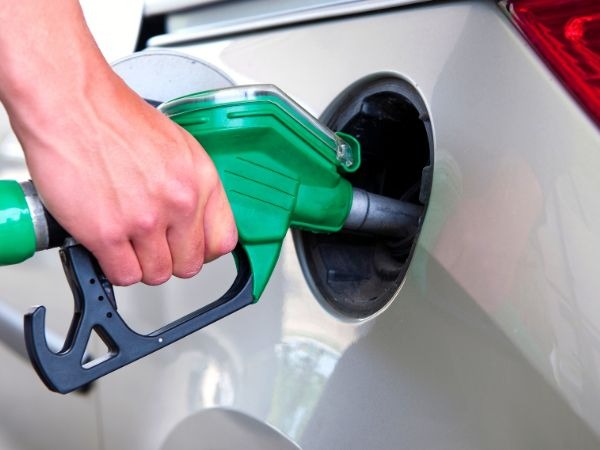
Self-service options are common and designed for efficiency, allowing drivers to refuel quickly and continue their journey. The widespread availability of fuel stations ensures that visitors can explore Iceland’s landscapes with confidence, knowing they can keep their vehicle topped up even in more remote regions.
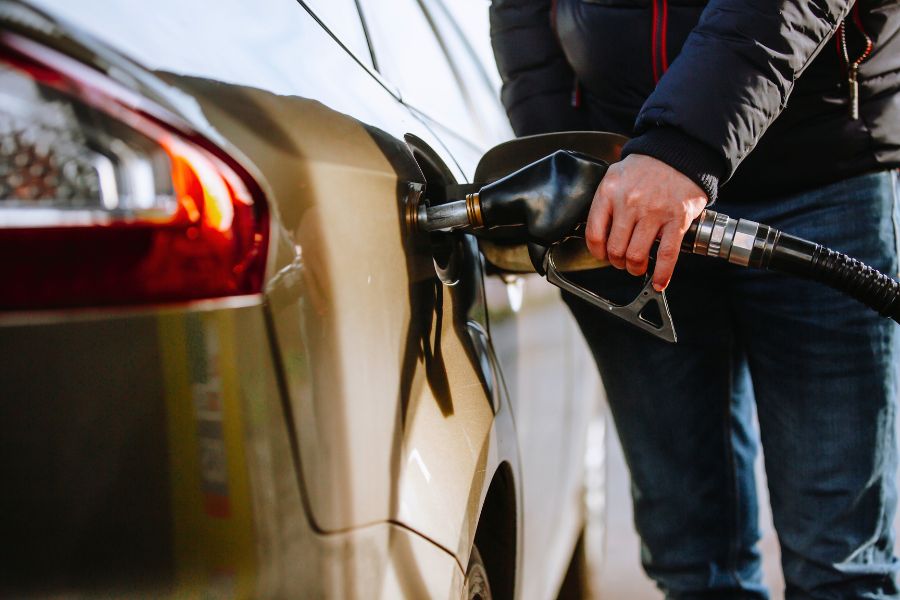
Many fuel stations in Iceland operate without staff, particularly in rural areas. Self-service pumps are common, and payment is usually made directly at the pump using a debit or credit card. Most stations require a card with a PIN code, so travellers should ensure their card is compatible.
In some cases, you may need to pre-authorise a certain amount before fuelling. If you do not use the full amount, the remaining balance is refunded automatically. The process is straightforward but can feel unfamiliar if you are used to staffed petrol stations. It is wise to inform your bank before travelling to Iceland, so your card transactions are not blocked. Keeping a backup card provides extra security in case of technical issues.
Fuel prices in Iceland are generally higher than in many European countries due to import costs and taxation. Because rates can fluctuate regularly, checking current prices online or through fuel company apps can help you plan and manage your budget more effectively. Although fuel may seem expensive at first, there are practical ways to keep your spending under control.
Driving smoothly, maintaining steady speeds, and avoiding sudden acceleration can significantly improve fuel efficiency. Choosing a smaller or hybrid vehicle when you rent a car can further reduce overall costs. Careful itinerary planning also helps minimise unnecessary detours, saving both time and fuel throughout your trip.
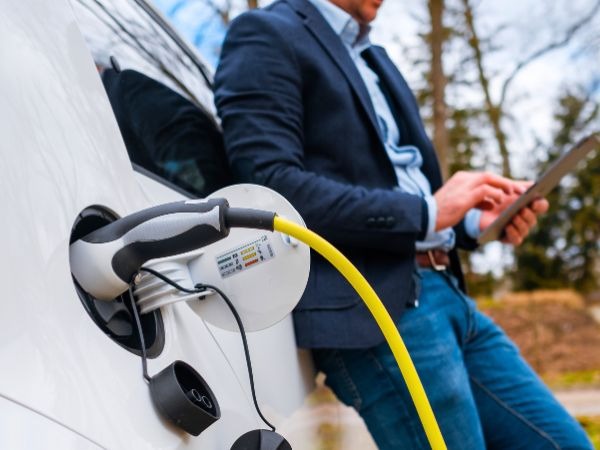
Iceland has made significant progress in expanding its electric vehicle charging infrastructure. Charging stations are widely available in cities, towns, and along major highways. The country’s commitment to renewable energy makes electric travel an attractive option for environmentally conscious visitors. EV charging points are often located near shopping centres, supermarkets, hotels, and fuel stations, allowing drivers to recharge their vehicles while taking a short break.
These locations make it easy to combine charging with other activities. Many charging networks also use mobile apps, giving drivers real-time information on station availability and pricing. When you rent a car in Iceland and choose an electric model, confirm that you understand how to access the charging network and which connectors are required.
Charging speed depends on the type of charger and your vehicle’s battery capacity. Rapid chargers can significantly reduce waiting times, often providing an 80 percent charge within 30 to 45 minutes. Slower chargers may take several hours, but are useful when staying overnight at hotels offering charging facilities.
Cold weather can affect battery performance, especially during winter. Drivers should allow extra time for charging and maintain a comfortable battery reserve. Keeping the battery level above 20 percent is a sensible precaution when travelling long distances. Planning charging stops ensures a relaxed journey without unnecessary stress.
The Ring Road, also known as Route 1, circles Iceland and connects major towns and attractions. Fuel stations and EV charging points are generally available at regular intervals along this route. However, certain stretches, particularly in the East Fjords, may have fewer services.
Drivers should refuel or recharge whenever convenient rather than waiting until the last moment. This habit ensures flexibility and peace of mind, especially if weather conditions change unexpectedly. Exploring the Ring Road is one of the most popular ways to experience Iceland. Reliable access to fuel and charging facilities makes this adventure more enjoyable.
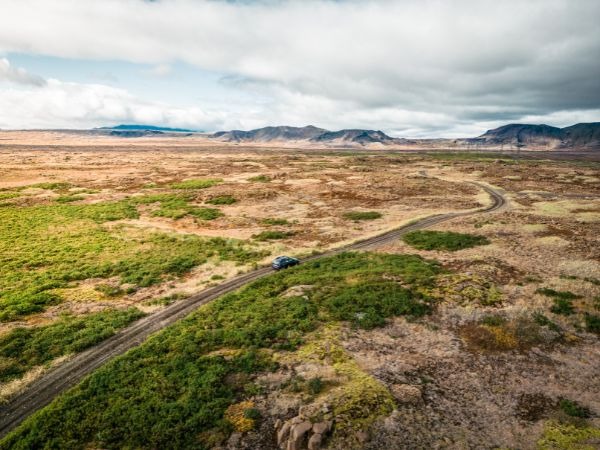
The Highlands offer some of Iceland’s most spectacular scenery, but services in this region are extremely limited. Fuel stations are scarce, and EV charging infrastructure is minimal, so travellers planning to drive on F-roads should fill their tanks before heading into these remote areas. If your itinerary includes mountain routes or rugged terrain, choosing a petrol or diesel 4x4 is often more practical than relying on a fully electric vehicle.
When you rent a car, it is important to discuss your travel plans with the provider to ensure the vehicle is suitable for the conditions. Careful preparation is essential when travelling far from towns, and checking weather forecasts and road conditions before departure will help ensure a safe and smooth journey.
Managing fuel and charging costs is an important part of planning a self-drive trip in Iceland. With the right driving habits and vehicle choice, you can reduce expenses while still enjoying the freedom of the open road.
Choosing a dependable rental provider is a crucial step in planning your self-drive holiday. Final Rentals offers a wide range of vehicles, including petrol, diesel, hybrid, and electric models. Clear pricing and transparent booking processes allow travellers to make informed decisions.
For additional convenience, you can download the Final Rentals app on Google Play or the App Store. The app makes it easy to manage bookings, review vehicle details, and stay organised throughout your journey. Having all the information in one place simplifies your travel experience.
Understanding fuel stations and EV charging points in Iceland is essential for a smooth and enjoyable road trip. The country’s remote landscapes require thoughtful planning, especially when travelling outside major towns. By knowing where to refuel or recharge, you reduce stress and gain greater confidence on the road.
Whether you choose petrol, diesel, hybrid, or electric, careful preparation helps ensure a safe and memorable adventure. Iceland’s natural beauty is best explored at your own pace, with the freedom to stop whenever inspiration strikes. If you are ready to begin your journey, now is the perfect time to rent a car in Iceland and experience the country’s extraordinary landscapes with complete peace of mind.
Many self-service fuel stations operate 24 hours a day, especially along major roads. However, attached shops may have limited opening hours.
Yes, most charging stations accept international payment methods or mobile app registration. Planning ensures smooth access.
Yes, but preparation is key. Always monitor fuel levels, check weather forecasts, and plan stops in advance.
On most sections, stations appear every 50 to 100 kilometres, though distances can be longer in remote areas.
Electric cars are excellent for main routes and towns. For remote or highland travel, petrol or diesel vehicles may offer more flexibility.
Plan wisely, drive confidently, and embrace the freedom of the open road. Rent a car today and make your Iceland adventure truly unforgettable!